
Homeowner Guide
What to Do in the First 48 Hours After a House Fire
A house fire is one of the most disorienting things a family can go through. Even after the flames are out and everyone is safe, the hours that follow are full of decisions: where to stay, who to call, what can be saved and what to do about the smoke, soot and water left behind.
- IICRC Certified
- Licensed & Insured
- Open 24/7
- Locally Owned
This guide walks through the first 48 hours in order. It is meant to help you protect your family, your property and your insurance claim while everything still feels uncertain. Take it one step at a time.
First: Make Sure Everyone Is Safe
Your family and pets come first. Account for everyone, get medical care for anyone who breathed in smoke or was injured, and do not go back inside until the fire department says it is safe. Fires can rekindle, floors and ceilings can be weakened and the air inside can still hold harmful particles and gases.
If the fire department has deemed the home unsafe, do not enter for any reason, even to grab a few belongings. Ask the fire officials when and how you can safely return.
Get a Copy of the Fire Report
The fire department can tell you how to obtain the fire report. Your insurance company will likely ask for it, and it records the cause and extent of the fire. Ask for the name of the responding department and any incident number before the crews leave.
Call Your Insurance Company
Report the fire to your insurance company or agent as soon as you can. Ask for a claim number, the name of your adjuster and what your policy provides for temporary housing. Many homeowners policies include coverage for additional living expenses, which can help with a hotel or rental while your home is being restored.
Keep a record of every conversation, including dates, names and what was discussed. Save receipts for anything you spend on food, lodging, clothing and other necessities after the fire.
Find a Safe Place to Stay
Even a small fire can leave a home unlivable because of smoke residue, damaged utilities or water from firefighting. If you cannot stay at home, arrange somewhere safe to sleep, whether that is with family, friends, a hotel or temporary housing through your insurance. If you need immediate help, local disaster relief organizations such as the American Red Cross often assist families after home fires.
Secure the Property
A fire damaged home can be left open to weather, animals and intruders through broken windows, damaged doors and holes in the roof. Most insurance policies expect homeowners to take reasonable steps to protect the property from further damage.
Emergency board up covers broken windows and doors with plywood. Roof tarping covers holes so rain does not soak the interior. Restoration companies can usually handle both quickly. Our emergency roof tarping and board up team works with fire damaged homes as well as storm damaged ones.
Check the Utilities
Do not turn on electricity, gas or water yourself if the fire may have affected them. Utilities are often shut off by the fire department or utility companies after a fire. Have a qualified professional inspect them before they are turned back on.
Document Everything Before Cleanup
When it is safe to enter, take photos and video of every room, including damage to the structure, belongings, appliances and areas affected by smoke and water. Open closets, cabinets and drawers so the damage inside is recorded. These records help your adjuster understand the loss and help you build an inventory of damaged items.
Do not throw away damaged belongings until your adjuster has seen them or approved disposal. If something must be removed for safety, photograph it first.
Do Not Start Cleaning the Wrong Way
It is natural to want to start scrubbing, but some cleaning with good intentions can make smoke damage worse.
Avoid wiping walls, ceilings and upholstery with damp cloths. Soot can smear deeper into surfaces and become harder to remove.
Do not run the central heating or air conditioning until the system has been checked. It can spread soot through the ducts to every room.
Do not try to clean electronics, appliances or anything that was exposed to heat or water.
Do not eat food or drink beverages that were exposed to heat, smoke or firefighting water.
Do not use the toilets or sinks if water service or drainage may have been affected.
Understand the Three Kinds of Damage
Fire damage is really three problems at once.
Fire and Heat Damage
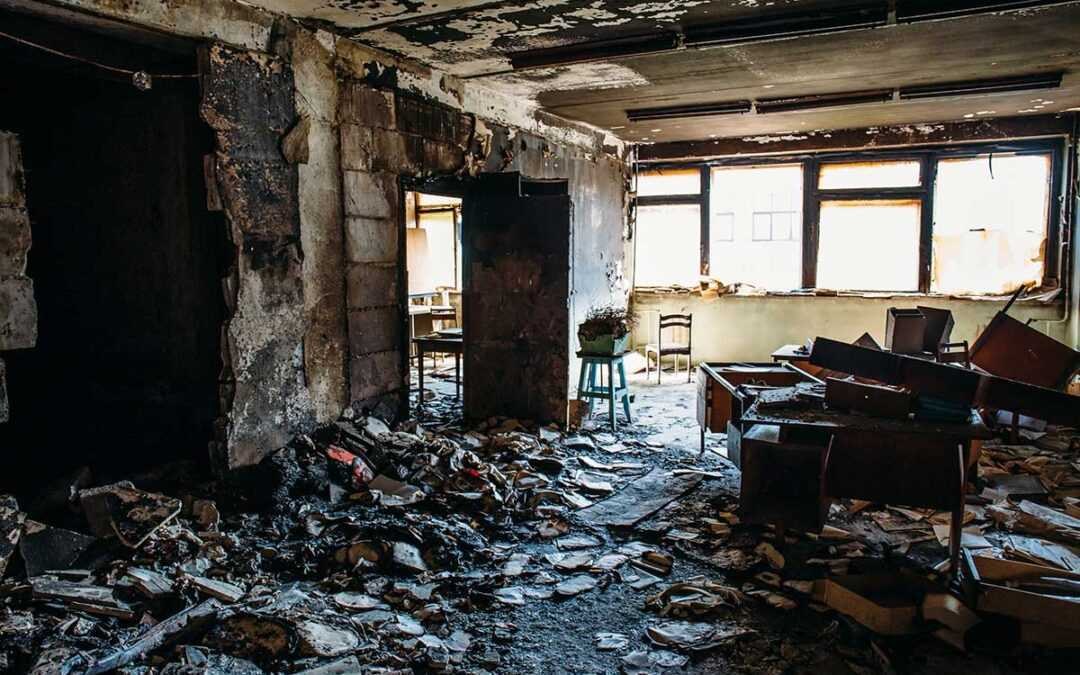
Burned and charred materials are the most visible damage. Structural parts of the home that were weakened by heat need professional evaluation.
Smoke and Soot Damage
Smoke travels far beyond the flames, through doorways, attic spaces and ducts. It leaves acidic residue that can stain and etch surfaces within days and an odor that clings to everything porous. This is often the most widespread damage in the home. Our smoke damage cleanup page explains how it is removed.
Water Damage
Firefighters may use a large amount of water to put out a fire. That water soaks into drywall, insulation, carpet and subfloors, and if it is not removed and dried quickly, it can lead to mold. Water damage after a fire needs the same extraction and drying as any other water loss.
Start Professional Cleanup Quickly
Smoke residue and firefighting water both get worse with time. Soot keeps etching surfaces and smoke odor keeps soaking into materials, while wet materials move closer to mold growth every day. Starting professional cleanup within the first day or two can save more of your home and belongings.
A fire restoration company typically assesses the damage, secures the property, removes water and starts drying, cleans smoke and soot from salvageable surfaces and contents, and treats lingering odor. Belongings are sorted into what can be cleaned and what cannot, with photos and lists for your insurance claim.
Make a List of Damaged Belongings
Insurance claims for contents usually require an inventory of damaged or destroyed items. Start a list as soon as you can, room by room, with descriptions, approximate age and purchase prices where you know them. Photos, bank statements, receipts and online order histories can help. It is a big task, so work on it a little at a time.
Take Care of Yourself
Losing part or all of your home is stressful, and it is normal to feel overwhelmed. Lean on family, friends and community resources. Keep important documents, such as identification, insurance papers and medications, together in one safe place. Children and pets may need extra comfort and routine in the days after a fire.
Notify the People Who Need to Know
Besides your insurance company, a few others should hear about the fire. Let your mortgage lender know, since the home secures the loan. Contact utility companies about shutting off or transferring service. Forward your mail or arrange to pick it up at the post office if you are staying elsewhere. Tell your employer and your children's schools if you need time off or a change of address, and let close neighbors know so they can watch the property.
A Simple 48 Hour Checklist
Make sure everyone is safe and get medical care if needed.
Wait for the fire department to say the home is safe before entering.
Get the fire report information.
Call your insurance company and ask about temporary housing.
Secure the property with board up and roof tarping.
Leave utilities off until they are inspected.
Photograph and video all damage before cleanup.
Avoid DIY cleaning that can spread soot.
Start professional water removal and smoke cleanup.
Begin your list of damaged belongings and keep every receipt.
We Are Here When You Are Ready
AAA Disaster Recovery helps Austin and Central Texas families recover after fires of every size. We secure the property, remove firefighting water, clean smoke and soot, treat odors and document the loss for your insurance company. Learn more about our fire damage restoration and smoke odor removal services, or call us any time. A real person answers 24/7.
Keep Reading
More Blogs
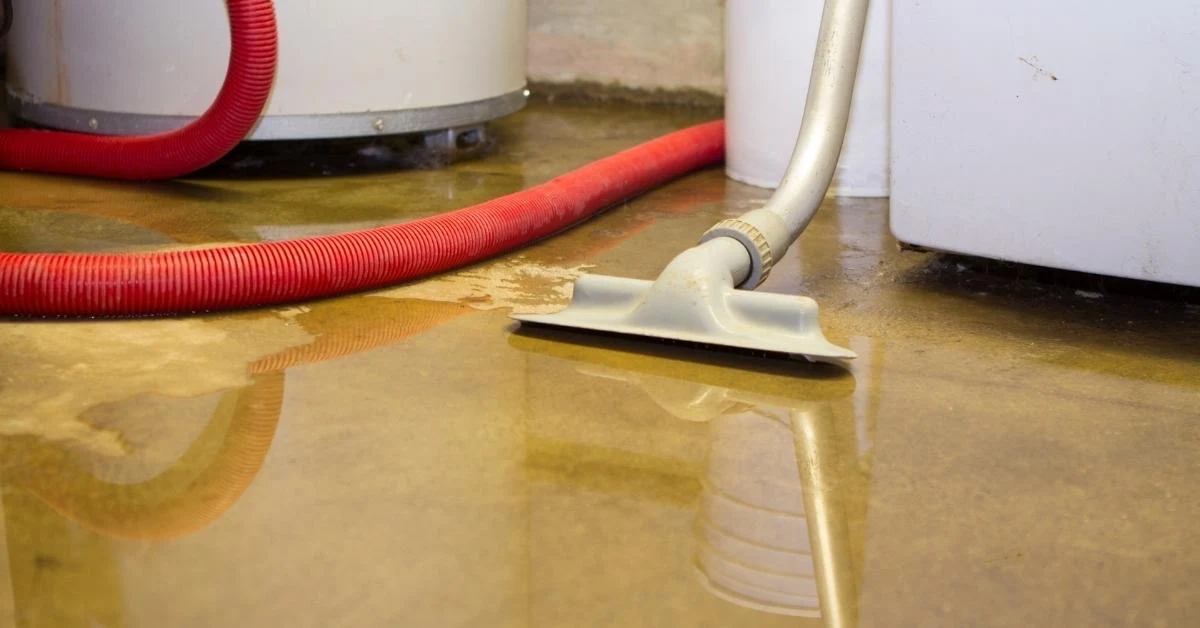
Water Damage Categories and Classes Explained
Clean, gray and black water are handled very differently. Learn what water damage categories and classes mean for your home and your claim.
Read More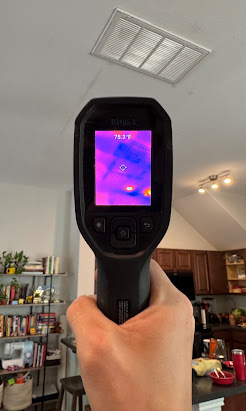
Signs of Hidden Water Damage Behind Walls and Under Floors
Stains, soft spots, musty smells and a rising water bill can all point to a leak you cannot see. Here is how to spot hidden water damage early.
Read More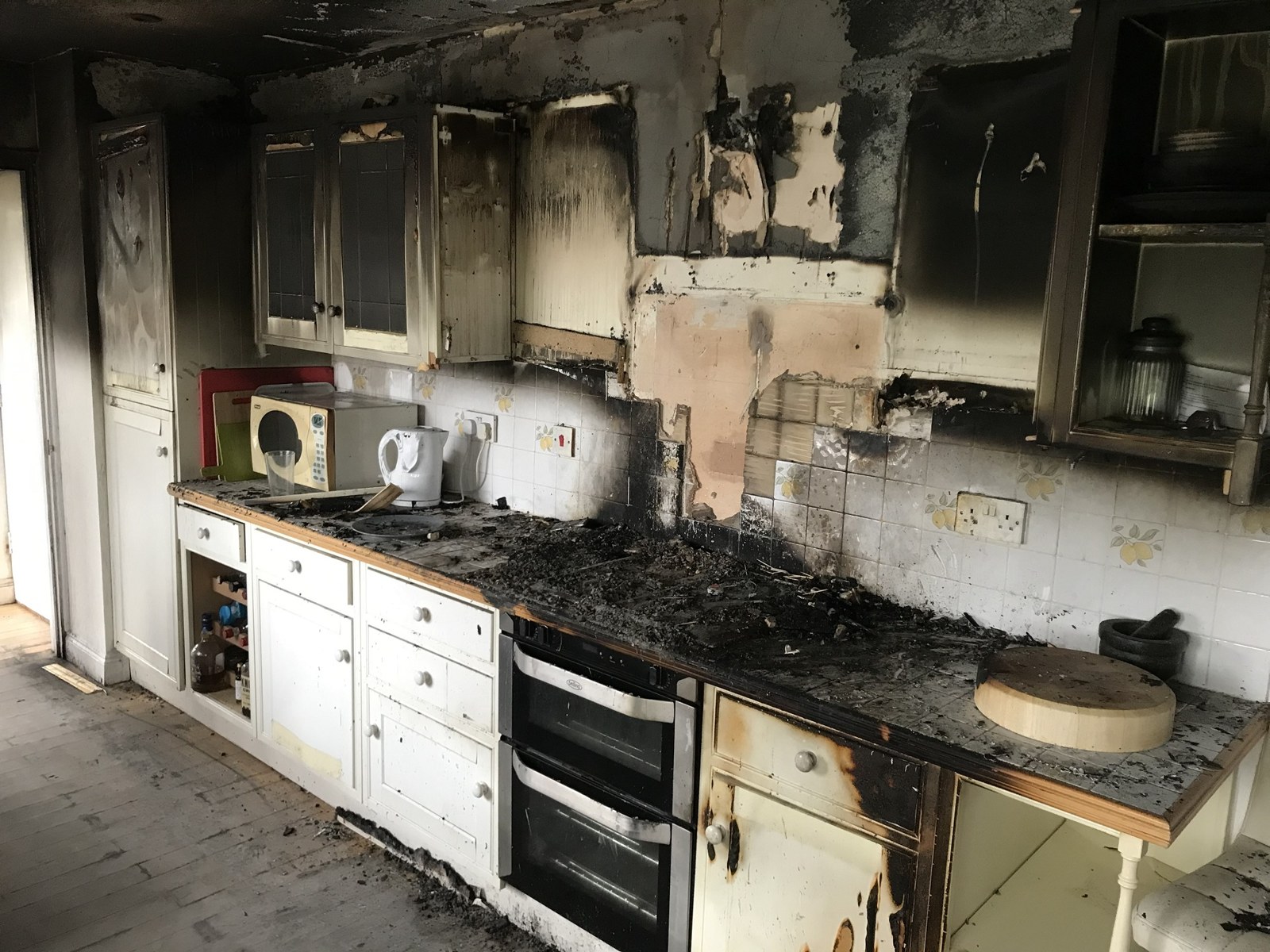
How to Get Rid of Smoke Smell in Your House for Good
Smoke odor lives in residue, not just air. Learn what actually removes it, what only covers it up and when to call in professionals.
Read More