
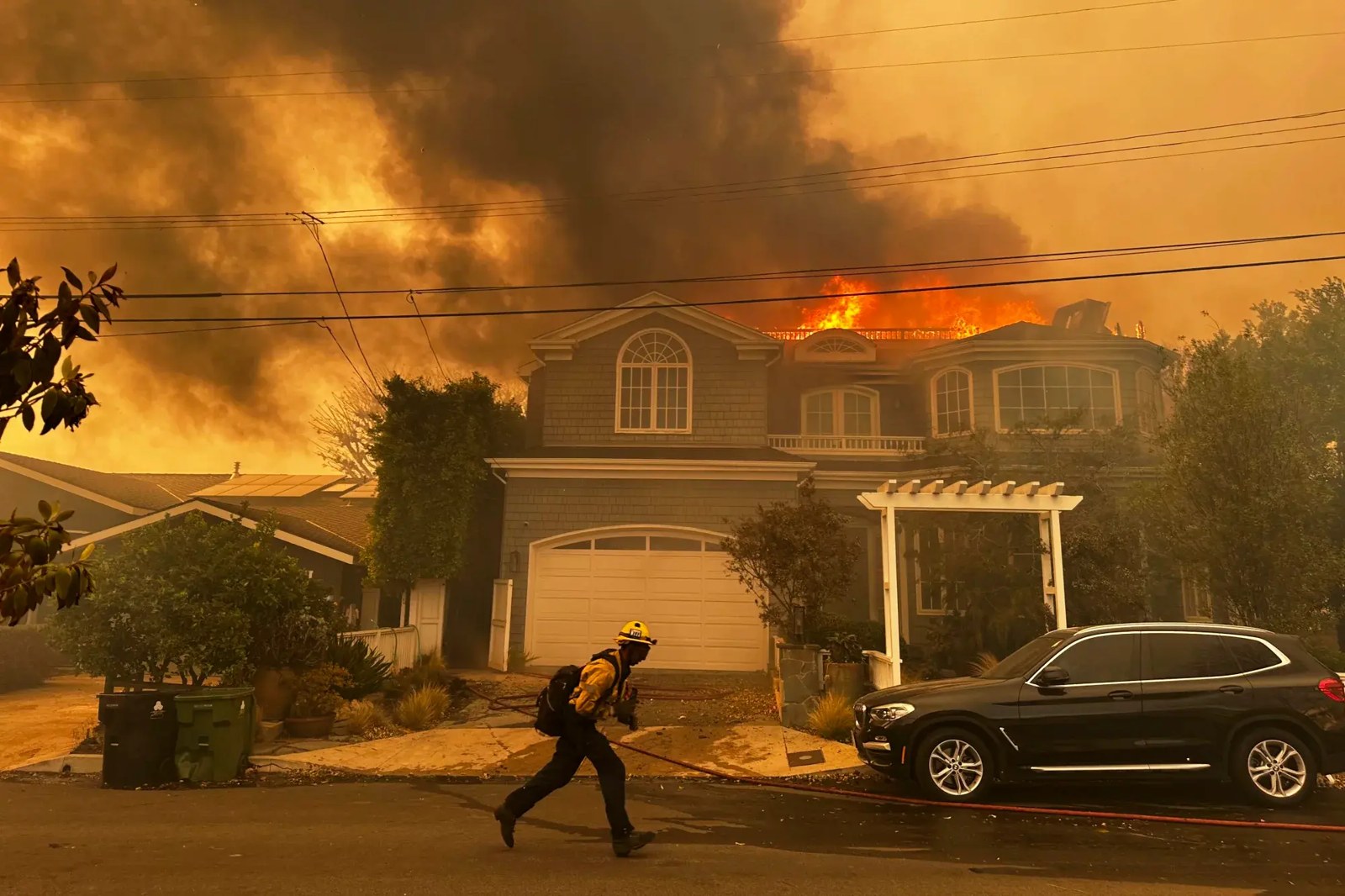
Smoke and Soot Residue Removal
Smoke Damage Cleanup in Austin, TX
Even a small kitchen fire can leave a film of smoke residue across an entire home. AAA Disaster Recovery cleans smoke and soot from walls, ceilings, cabinets and belongings, filters fine particles from the air and removes the residue that holds the smell.
- IICRC Certified
- Licensed & Insured
- Open 24/7
- Locally Owned
Free Assessment · No Obligation
No Time to Call? Send Us a Form!
Reach out at any time and our team will respond as quickly as possible.
Smoke travels farther than flames. Heated air carries soot through doorways, attic spaces and air ducts, and it settles on cooler surfaces in rooms the fire never reached. That is why a fire confined to one room can still leave gray shadows on ceilings, dark lines around outlets and a smoky smell in closets at the other end of the house.
Why Smoke Residue Should Be Cleaned Quickly
Soot is acidic. Left on surfaces, it can begin to stain and etch materials within days. Plastics yellow, metal fixtures pit, grout discolors and painted surfaces absorb the residue so deeply that cleaning alone may no longer remove it. Fast cleanup saves materials and belongings that would otherwise need replacing.
Residue also carries odor. As long as it stays on surfaces and inside fabrics, the smell keeps coming back, especially on warm, humid days. Removing the residue at the source is what makes odor treatment work.
Different Fires Leave Different Residue
Dry Smoke
Fast, hot fires that burn paper and wood leave powdery residue that smears if wiped with the wrong method. It is cleaned with dry techniques before any wet cleaning.
Wet Smoke
Slow, smoldering fires and burning plastics leave sticky, smeary residue with a strong odor. It needs specialized cleaning agents.
Protein Residue
Kitchen fires that burn food leave a nearly invisible film with a very strong smell. It can discolor paint and cabinets and is easy to miss.
Fuel and Oil Residue
Furnace puffbacks and fuel fires leave a heavy, oily soot that needs careful cleaning to avoid spreading it.
Our Smoke Cleanup Process
01
Assess the Spread
We check every room, the attic and the HVAC system for residue, including the areas that look clean at a glance.
02
Filter the Air
HEPA air scrubbers run during the cleanup to capture fine particles that would otherwise resettle on cleaned surfaces.
03
Clean From the Top Down
Ceilings, walls, cabinets, fixtures and floors are cleaned with methods matched to the residue type, so soot is removed instead of smeared deeper.
04
Treat Remaining Odor
Once residue is removed, we deodorize what remains so the smell does not keep returning. Read more on our smoke odor removal page.
Contents Cleaning and Your Claim
We sort belongings into what can be cleaned and what cannot, clean the salvageable items and photograph and list the items that are beyond saving so you have a clear record for your insurance claim. If firefighting water soaked part of the home, we dry that too as part of our fire damage restoration service.
Why Choose AAA Disaster Recovery
IICRC Certified
Our crews follow industry standards for fire and smoke restoration, matching each cleaning method to the residue and the surface.
Source Removal, Not Masking
We remove the residue that causes the odor rather than covering it with fragrance.
In House Team
Our own technicians do the work from first assessment to final cleaning. No subcontractors.
Insurance Ready Records
Photos, item lists and scope notes help your adjuster review the loss.
Common Questions
Smoke Damage Cleanup Questions
Can I clean smoke damage myself?
Light residue on a small hard surface can sometimes be cleaned at home, but the wrong cleaner or a wet rag on dry soot often smears it into the surface permanently. Large areas, porous materials and kitchen protein residue are best handled by trained technicians.
Do walls need to be repainted after smoke damage?
Not always. Many walls can be cleaned. When residue has soaked into the paint, cleaning is followed by sealing and repainting so odor does not bleed through.
Is it safe to stay in a smoke damaged house?
Smoke residue contains fine particles that can irritate the lungs. If the damage is more than minor, it is best to stay elsewhere until cleaning is done, especially for children, older adults and anyone with breathing problems.
What should I avoid touching after a fire?
Avoid wiping walls, upholstery and carpets, and do not turn on the HVAC system until it has been checked, since it can spread soot through the house. Our guide on what to do after a house fire covers the first 48 hours.
Available 24/7
Smoke Residue in Your Home?
Call AAA Disaster Recovery for smoke and soot cleanup that removes the residue at its source. A real person answers 24/7.