
5 ⭐ RATED ON GOOGLE
Austin, TX's #1 Sewage Backup Cleanup Experts
We remove sewage and contaminated materials, disinfect the affected areas and dry your home or business, so the space is clean and safe to use again after a backup.
- IICRC Certified
- Licensed & Insured
- Open 24/7
- Locally Owned
Free Assessment · No Obligation
NO TIME TO CALL? SEND US A FORM!
Reach out at (737) 677-3833 or send a message through the form below and our team will respond promptly to help with your restoration needs.
Sewage Backup Cleanup Services You Can Rely On in Austin, TX
A sewage backup is a contamination problem as well as a water damage problem. Wastewater entering through a toilet, tub, floor drain or broken drain line can move into flooring layers, wall cavities and stored belongings. AAA Disaster Recovery provides sewage backup cleanup in Austin, TX, with a plan for contaminated water removal, affected material handling, cleaning, disinfection and structural drying.
Keep people and pets away from the affected area and avoid using fixtures that may add water to the backup. A plumber may be needed to clear or repair the source; cleanup does not fix a failed sewer line. We assess how far wastewater traveled, explain which materials can be cleaned and identify porous items that cannot reasonably be restored.
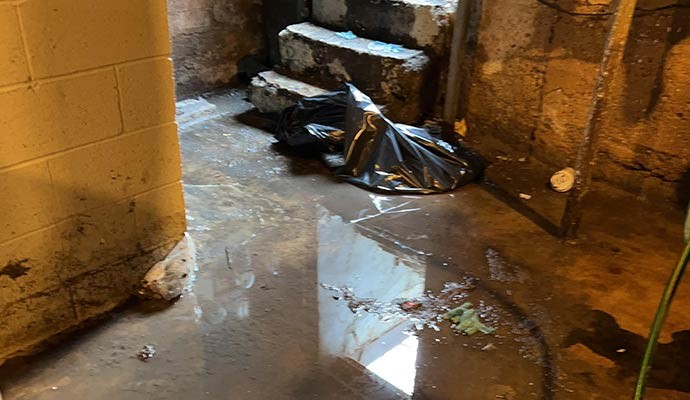
Rapid 24/7 Sewage Backup Response When It Matters Most
We answer 24/7 and get a crew moving to your Austin property, so contaminated water can be contained and removed before it spreads to more rooms.
IICRC Certified. Industry Proven.
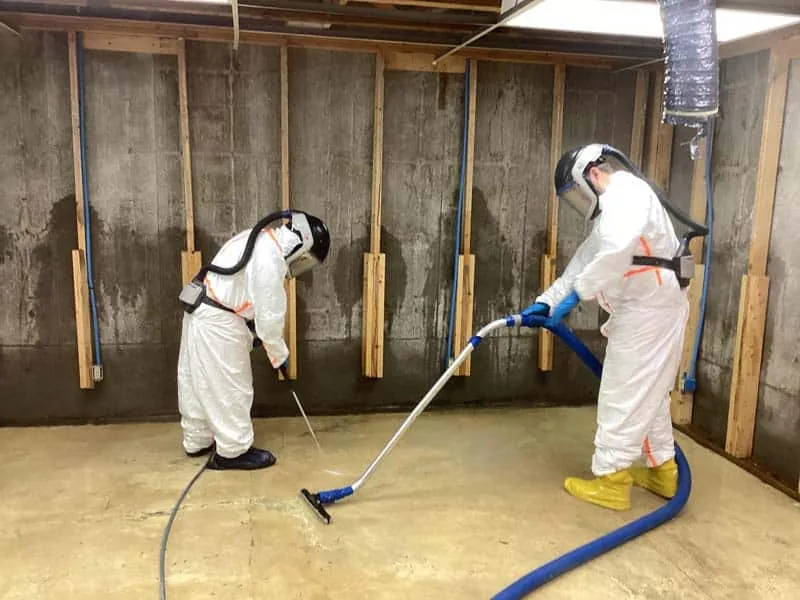
Our team follows IICRC standards for Category 3 water, from protective gear and containment to removal, disinfection and drying, and we document each step.
Experienced Restoration Professionals
We've cleaned up backups from floor drains, toilets, tubs and failed sewer lines, and we know which materials can be disinfected and which have to go.
Locally Owned and Serving All of Central Texas
We provide clear communication, reliable timelines, and restoration built to last.
DON'T WAIT ON A BACKUP
When Should You Call a Sewage Backup Cleanup Company in Austin, TX?
01
Sewage Coming Up Through a Floor Drain in Austin, TX
On a slab home, the lowest shower, tub or toilet is usually the first place sewage shows up when the line backs up. Dark, smelly water coming up through a drain, onto the bathroom floor or around the laundry area means contaminated water is in your home. Stop using water upstairs, keep everyone away from it and call a sewage backup cleanup company so the area can be contained, cleaned and disinfected.
02
A Toilet or Tub Overflowing With Sewage in Austin, TX
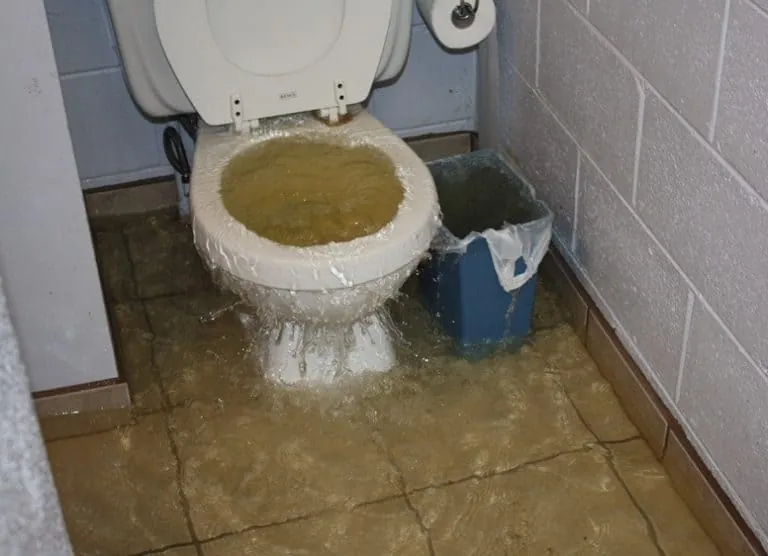
When a toilet or tub fills with dirty water every time someone runs a sink or does laundry, the sewer line is blocked somewhere downstream. That water is Category 3 even if it looks clear at first. If it overflows onto the bathroom floor, it can soak into the subfloor and seep through to the ceiling below. We remove the water and contaminated materials, disinfect the bathroom and dry the floor system.
03
Backups During Heavy Rain in Austin, TX
Flash Flood Alley storms put a lot of water into the ground and into sewer lines in a short time. When the system gets overloaded, wastewater can push back up through the lowest drain in your house, often a shower or tub. If a drain backs up during or right after a big rain, call us. We clean up the contamination and dry the area, and we document the damage so you can talk with your insurer.
04
An Older Sewer Line Failing in a Austin Home
Many Austin homes built before the 1980s have cast iron drain lines under the slab, and older central neighborhoods still have clay sewer pipe. Over the years, tree roots work into the joints, pipes crack or sag, and the line slowly loses capacity until it backs up. A plumber needs to clear and repair the line, and we handle the cleanup. We remove the sewage, take out contaminated flooring and drywall, disinfect and dry the space.
05
Sewage in a Crawl Space Under Your Austin Home
A broken drain pipe under the house can leak sewage into the crawl space for weeks before anyone notices. The usual clues are a strong sewer smell in the floor vents or lower rooms, more flies than normal, or stained, sagging insulation under the floor. Sewage soaks into the insulation, vapor barrier and soil. Once the pipe is repaired, we remove the contaminated materials, treat the ground surface, disinfect the framing and dry the space.
06
A Sewage Backup in Your Austin Business or Rental
A backup in a restaurant, office, apartment or rental house affects tenants, staff and customers, so it needs to be handled quickly and by the book. We contain the affected area so the rest of the building can often stay in use, remove the contamination, disinfect and dry. We work around your schedule where we can and provide the photos and documentation landlords and business owners need for their records and claims.
What's Our Process Like for Sewage Backup Cleanup in Austin, TX?
01
Identify hazards and stop further contamination
We ask where the wastewater appeared, which fixtures were in use and whether the drain problem has been corrected. The initial assessment checks access, electrical concerns and the boundaries of the contaminated area. Do not walk through sewage to reach a shutoff or breaker. Source repairs belong to the appropriate plumbing professional.
02
Contain the work and remove wastewater
Cleanup routes are planned to reduce tracking into unaffected rooms. Protective equipment and containment are chosen for the conditions. Contaminated water is extracted, and absorbent materials such as carpet pad, insulation or drywall are evaluated for removal. A material can look intact and still be unsuitable to keep after direct sewage contact.
03
Clean and disinfect remaining surfaces
Visible waste and residue must be removed before disinfection can be effective. Remaining hard surfaces and accessible structural components are cleaned and treated using appropriate procedures. We pay attention to seams, wall edges and flooring layers rather than stopping when the top surface looks clean.
04
Dry and review the affected structure
Moisture may remain after contaminated water is gone. Drying follows cleaning and disinfection, with readings used to track damp structural materials. We review the completed cleanup and any repair needs. Persistent sewage odor warrants another assessment for remaining contamination or an unresolved drain issue, not simply more fragrance.
What You Get
Our Sewage Backup Response Includes
- A local team answering the phone 24/7
- Protective gear and containment for Category 3 water
- Sewage extraction with commercial equipment
- Removal of contaminated carpet, pad and drywall
- Cleaning and disinfection of every remaining surface
- Structural drying with daily moisture checks
Licensed, Insured and Locally Owned in Austin, TX
Our team is licensed, insured and IICRC certified, and we handle sewage cleanup for homes and businesses across Austin. Many houses here have older sewer lines that clog or crack with age, so backups are more common than people expect. Call us for the cleanup, and we'll work with your plumber on the repair.
Why sewage soaked carpet is not a routine cleaning job
Wastewater can penetrate carpet backing, pad and the floor beneath it. A standard carpet cleaning appointment is not a substitute for contamination assessment and removal decisions. Avoid moving soaked rugs or belongings through clean rooms. Our sewage cleanup plan considers the entire affected assembly, including materials hidden below the visible surface.
If the water was clean, our water damage restoration in Austin, TX is the better fit, or call our team and we'll help you tell the difference.
Get a Quote Today!
Tell us where the sewage came up, which rooms it reached and whether a plumber has cleared the line. That helps us bring the right equipment and protective gear.
Common Questions
Sewage Backup Cleanup FAQs in Austin, TX
What should I do right after sewage backs up into my house?
Stop using water first. Every flush, shower and load of laundry adds to the backup. Keep kids and pets away from the area, don't walk through the water, and stay clear if it's near outlets, cords or appliances. Open a window if you can do it without touching the water. Call a plumber to clear the line, then call us at (737) 677-3833. We answer 24/7, tell you what to do while you wait and get a crew moving to your property right away.
Why is sewage called Category 3 water?
It's the cleanup industry's term for the most contaminated kind of water. The IICRC sorts water damage into three categories. Category 1 is clean water from a supply line, Category 2 has some contamination, like washing machine or dishwasher discharge, and Category 3 is grossly contaminated, which includes sewage, toilet backflow from beyond the trap and rising floodwater from rivers and streams. Category 3 means porous materials it touched usually have to be removed, and everything else needs cleaning and disinfection, not just drying.
Is it safe to clean up a sewage backup myself?
We don't recommend it. Sewage carries bacteria, viruses and other contaminants, and cleaning it up without protective gear puts your skin, eyes and lungs in contact with it. Household mops and shop vacs spread it around and become contaminated themselves. It's also easy to miss sewage that has wicked into drywall or under flooring. Our crew uses protective gear, containment and commercial equipment, and we disinfect and dry the area so nothing is left behind.
What protective gear does your crew wear during sewage cleanup?
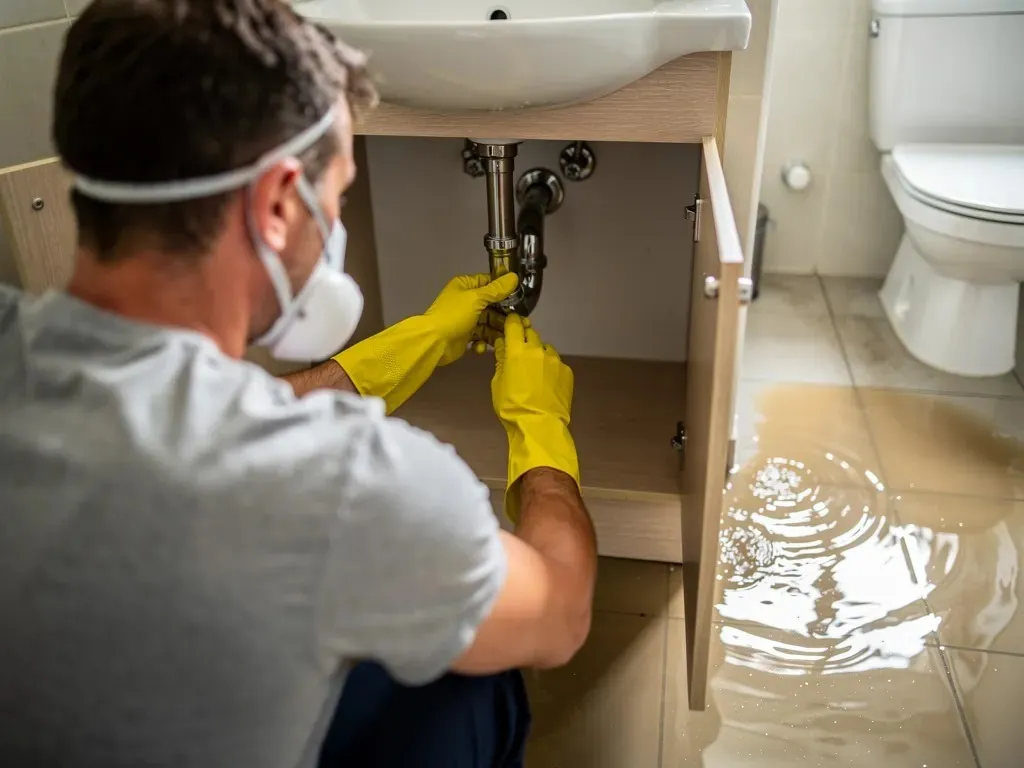
Our crew wears protective gear matched to the job, including gloves, eye protection, respirators, boots and disposable suits when needed. The gear protects our team from contact with sewage and from particles stirred up during removal. We put it on before we enter the affected area and take it off at the containment exit, so we don't track contamination through the rest of your home. You should stay out of the work area while we're cleaning.
Why does sewage come up through my shower or tub?
Because it's usually the lowest drain in the house. When the sewer line between your home and the main is blocked or overloaded, wastewater takes the path of least resistance and comes up at the lowest opening, which is often a shower, tub or ground floor toilet. Common causes include tree roots, grease, wipes and other buildup in the line, a collapsed pipe, or a sewer main that's overloaded during heavy rain. A plumber can run a camera through the line to find the cause.
Why do older Austin homes have more sewer line problems?
Age and materials. Many older Austin homes were built when drain lines were made from clay or cast iron. Clay pipe has joints that tree roots can push into, and cast iron can corrode, scale up inside and crack over decades. Both can sag or break as expansive clay soil moves under the slab. That slowly narrows the line until a backup happens. If you've had more than one backup, ask a plumber to camera the lateral that runs from your house to the street.
Can heavy rain cause sewage to back up into my home?
Yes. Heavy rain soaks the ground and some of that water gets into sewer lines through cracks, loose joints and improper connections. When storms dump a lot of rain on Central Texas in a short time, the extra flow can overload the system and push wastewater back toward homes through the lowest drains. If it happens to you during a storm, keep away from the water and call us. Ask a plumber whether a backwater valve makes sense for your home.
Why does my house still smell like sewage after the water is gone?
Usually because contamination is still somewhere you can't see. Sewage soaks into carpet pad, the bottom of drywall, insulation and the gaps under baseboards, and those materials keep smelling until they're removed. A sewer smell with no visible water can also point to a broken drain pipe in a crawl space or wall, or a floor drain trap that has dried out and lets sewer gas through. We find the source, remove the contaminated materials, and clean and disinfect what stays.
What building materials need to come out after a sewage backup?
Porous materials the sewage touched. That usually includes carpet and pad, the bottom of drywall and the insulation behind it, particleboard, wood baseboards, cardboard and some cabinet bases. We generally cut drywall a little above the highest point the water wicked to. Hard surfaces like concrete, tile, framing and many subfloors can usually be cleaned, disinfected and dried in place. We explain what has to go and why before we remove anything, so there are no surprises.
How do you disinfect after removing the sewage?
We clean first, then disinfect. Disinfectant doesn't work well on surfaces still covered with sludge or residue, so we remove the waste and debris, clean the remaining hard surfaces, and then apply disinfectant to the floors, framing, walls, drains and fixtures in the affected area. HEPA air scrubbers run during the job to capture particles in the air. Once everything is cleaned and disinfected, we move on to drying, which is the step that keeps mold from following the backup.
How soon can I use the affected rooms again after a sewage backup?
Usually once drying is finished, which takes three to five days for most jobs. Removal, cleaning and disinfecting often take a day or two, and drying takes a few more days depending on how much of the structure was wet. Several rooms or a crawl space can take longer. Repairs like new drywall and flooring come after that and depend on your contractor. We give you a realistic timeline after our first inspection and keep you updated as readings come down.
Is a sewage backup covered by a standard homeowners policy?
It depends on your policy. Many standard homeowners policies exclude water that backs up through sewers or drains unless you've added a sewer or water backup endorsement, and those endorsements often have their own limits. Outside floodwater is usually covered only by a separate flood policy. The final call on coverage belongs to your insurance company. We document the damage with photos, moisture readings and a written scope, and we help with the paperwork so your claim has what it needs.
Can I stay in my home during sewage cleanup?
Often, yes, if the backup is limited to one area and you have a working bathroom that isn't affected. We contain the work area so contamination and odor stay inside it, and HEPA air scrubbers help keep the rest of the house cleaner. If the only bathroom is involved, the backup spread into living areas, or someone in the home is very young, elderly or has a weakened immune system, staying elsewhere for a few days is usually the safer choice.
Can a sewage backup lead to mold?
Yes, if the area isn't dried properly. Sewage leaves behind both moisture and organic material, which is everything mold needs, and Austin's humid summers make it worse. Mold can start within 24 to 48 hours on materials that stay wet. That's why we don't stop at removal and disinfection. We dry the framing, subfloor and concrete with air movers and dehumidifiers, and we check moisture readings every day until the materials are back to normal.
What can I save from my belongings after a sewage backup?
Hard, nonporous items usually can be saved. Things like metal, glass, hard plastic and sealed furniture can often be cleaned and disinfected. Porous items that sewage soaked, like upholstered furniture, mattresses, stuffed toys, cardboard boxes, papers and most clothing, are usually not safe to keep. Some valuable or sentimental items may be worth asking about. We help sort what can be cleaned from what can't, and we photograph and list discarded items for your claim.
How do I know if my sewer line is the problem or the city main?
A plumber can usually tell you. If only one drain is slow, the clog is likely close to that fixture. If several drains back up at once and the lowest one overflows, the problem is often in the line between your house and the main. If neighbors are having backups at the same time, the issue may be in the public sewer. A plumber can camera your line to find the cause, and you can call your sewer utility if the main is suspected.
How can I lower the chance of another sewage backup?
Start by keeping things out of the line that don't belong there. Don't flush wipes, even ones labeled flushable, and keep grease out of the kitchen sink. If you have big trees near the sewer line or an older home, have a plumber camera the line and clear roots before they cause a backup. Ask the plumber about a backwater valve if your home has had repeat backups. Many homeowners also look at adding a sewer backup endorsement to their insurance.
Do you clean up sewage backups in Austin businesses and rental properties?
Yes. We handle sewage cleanup for restaurants, offices, retail stores, apartment buildings and rental houses as well as homes. We contain the affected area so the rest of the building can often stay open or occupied, and we work around your schedule where we can. You get photos, moisture readings and a written scope for your records and insurance. Call (737) 677-3833 any time and we'll get a crew headed your way.
There Are Plenty of Sewage Backup Cleanup Companies in Austin, TX
So Why Choose Us?
Safety Comes First
We wear protective gear, contain the area and run HEPA air scrubbers, so contamination stays in the work zone instead of spreading into the rest of your home.
We Clean, Disinfect and Dry
Removing the sewage is only the start. We clean and disinfect every remaining surface, then dry the structure until our readings say the materials are back to normal.
Clear Answers on What Has to Go
We explain which materials can be cleaned and which have to be removed, and why, before we start. You won't be pushed into work you don't need.
A Local Team You Can Call
We're a 100% locally owned Austin company with our own crew. When a backup happens at any hour, you talk to people who work in this city every day.
Based in Austin, TX
Sewage Backup Cleanup in Austin and Nearby Communities
Our shop is in northeast Austin, and our crews serve homes and businesses across Austin and Central Texas, including Pflugerville, Round Rock, Cedar Park, Georgetown, Leander, Hutto, Taylor, Bee Cave, Lakeway, Hornsby Bend, Kyle, Buda, Dripping Springs and Wimberley.
We're Available 24/7 for Any Sewage Backup Emergency in Austin, TX
Contact Us Today!
For more information about our services or to set up an appointment, call us at (737) 677-3833 or send a request through the contact form and our team will get back to you as soon as possible.