
Homeowner Guide
Water Damage Categories and Classes Explained
When a restoration company assesses a water loss, you may hear phrases like "Category 2 water" or "Class 3 drying." They can sound like jargon, but they describe two practical questions that shape the whole job: how clean or contaminated is the water, and how much water is in the building and in what materials?
- IICRC Certified
- Licensed & Insured
- Open 24/7
- Locally Owned
These terms come from the industry standard for water damage restoration published by the Institute of Inspection, Cleaning and Restoration Certification, known as the IICRC S500. Insurance adjusters, restoration technicians and many contractors use the same language, so understanding it can help you follow decisions about your home and your claim.
Two Different Measurements
The category describes the contamination level of the water. It answers what is in the water and how risky it is to people.
The class describes how much water is present, how far it spread and what kinds of materials absorbed it. It answers how hard the structure will be to dry.
A single loss has both a category and a class. A small amount of very contaminated water and a large amount of clean water are very different jobs, and the two labels together capture that difference.
Category 1: Clean Water
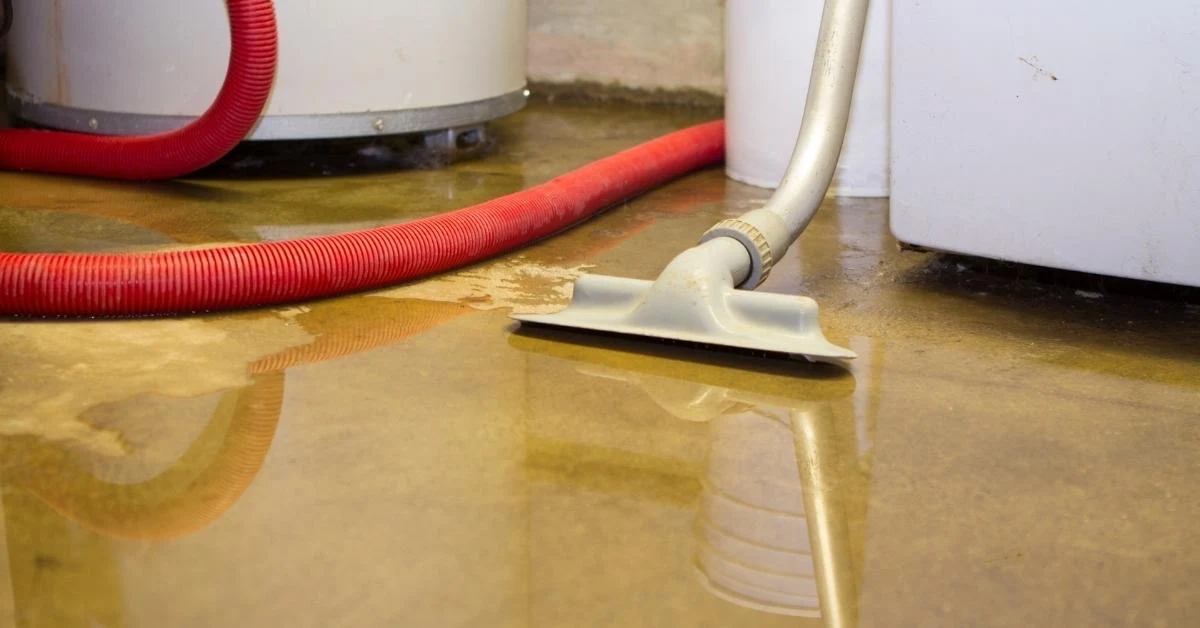
Category 1 water comes from a sanitary source and does not pose a substantial risk when people are exposed to it. Common examples include a broken water supply line, an overflowing sink or tub with no contaminants, a melting ice maker line or a leaking water heater.
Because the water starts clean, many materials it touches can be extracted, dried and kept, especially if the response is fast. Carpet and pad that absorbed Category 1 water can often be dried in place.
There is an important catch. Category 1 water does not stay Category 1 forever. As clean water sits, it picks up dirt, soil from carpet, residues from building materials and microbial growth. After roughly a couple of days, or sooner in warm conditions, clean water can degrade into Category 2. That is one more reason a fast response matters.
Category 2: Gray Water
Category 2 water contains significant contamination and could cause discomfort or sickness if people are exposed to it. Examples include discharge from a washing machine or dishwasher, an overflowing toilet that contains urine but no feces, sump pump failures and some aquarium or waterbed leaks.
Gray water calls for more caution. Technicians wear more protection, and some porous materials, such as carpet pad, are usually removed rather than dried. Surfaces are cleaned and treated during the process. Gray water also degrades over time and can become Category 3 if it sits.
Category 3: Black Water
Category 3 water is grossly contaminated and may contain harmful bacteria, viruses, chemicals or other substances. Examples include sewage, toilet overflows that contain feces, rising floodwater from rivers, creeks or surface runoff, and water that has been sitting long enough to support significant microbial growth.
With Category 3 water, the priority is protecting people. Occupants, especially children, older adults and anyone with health concerns, should stay out of affected areas. Porous materials that absorbed black water, such as carpet, pad, drywall and insulation, are generally removed and discarded. Remaining surfaces are cleaned and treated before drying. Our sewage backup cleanup and flood damage restoration services are built around these requirements.
The Four Classes of Water Damage
Class 1: Least Water
Only part of a room is affected, and the materials involved absorb little water, such as plywood or concrete. Little or no wet carpet or cushion is present. These losses usually dry quickly.
Class 2: Significant Water
An entire room or more is affected, carpet and cushion are wet and water has wicked up walls, often more than a foot. Moisture remains in structural materials. This is a very common level for household leaks.
Class 3: Greatest Amount of Water
Water may have come from overhead, soaking ceilings, walls, insulation, carpet, cushion and subfloors. Most of the area is saturated. These losses need substantial drying equipment.
Class 4: Specialty Drying
Water has soaked into materials that hold it tightly and release it slowly, such as hardwood floors, plaster, brick, concrete, stone and crawlspaces. These materials often need specialized drying methods and more time, such as low humidity drying or targeted setups.
How Category and Class Affect Your Job
The category drives what can be kept and how carefully the work is done. Clean water losses save more materials. Gray and black water losses remove more and add cleaning and treatment steps.
The class drives the drying plan, including how many air movers and dehumidifiers are needed, whether materials should be opened up and how long drying is likely to take. A Class 1 loss might dry in a couple of days, while a Class 4 loss with soaked hardwood or a wet slab can take longer. Our guide on how long it takes to dry out water damage covers timelines in more detail.
Why These Labels Matter for Insurance
Adjusters rely on these standards to understand and evaluate a loss. A clear record of the water source, the category, the class, photos of the damage and daily moisture readings helps explain why certain materials were removed and why drying equipment was needed for each day it ran. Restoration companies that follow the standard document these details as a normal part of the job.
Examples From Real Life
A supply line under a kitchen sink fails while the family is home. They shut it off within minutes. The water is clean, it reached part of the kitchen floor and the bottom of the cabinets, and it was extracted quickly. This is usually Category 1 and Class 1 or 2, and much of the kitchen can often be dried and kept.
A washing machine hose bursts in an upstairs laundry room over a weekend. Water soaks the floor, runs through the ceiling below and wets carpet in two rooms. This is often Category 2 because of the source and time, and Class 3 because water came from above and saturated many materials.
A heavy storm sends runoff under the front door and across the living room. This is Category 3 water, regardless of how much there is, and porous materials it touched are generally removed.
Common Questions About Categories and Classes
Can the category change during a job?
Yes. Water that starts clean can become more contaminated as it sits and picks up dirt and microbial growth. A technician who arrives after several days may treat a clean water source as Category 2 or even Category 3, depending on what they find.
Is a toilet overflow always black water?
Not always. Water from a toilet tank or bowl without feces is usually treated as Category 2. A toilet overflow that contains feces, or a backup from the sewer line, is Category 3.
Does a higher class mean the job will cost more?
Usually a higher class means more drying equipment, more time or more material removal, which affects the scope of the job. The category can affect cost too, since contaminated water adds removal and cleaning steps.
Who decides the category and class?
A trained restoration technician assesses the loss on site based on the water source, how long it sat and the materials affected, and records the reasoning so your adjuster can review it.
What You Should Do
You do not need to classify the water yourself. What matters most is acting quickly, staying out of water that may be contaminated and calling professionals who can assess the situation. Tell the restoration team where the water came from and when it started, take photos and keep children and pets away from affected areas.
Get an Expert Assessment
AAA Disaster Recovery is an IICRC certified restoration company in Austin. We assess the category and class of every water loss, explain what they mean for your home and document the job for your insurance company. Learn more about our water removal and water damage cleanup services, or call us any time. A real person answers 24/7.
Keep Reading
More Blogs
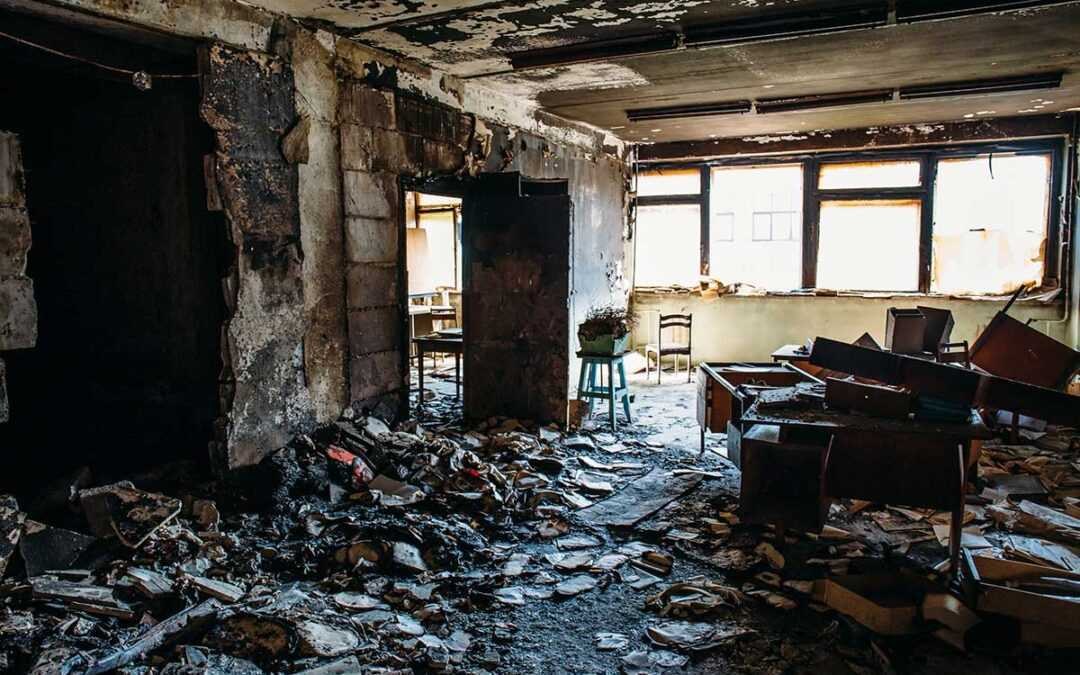
What to Do in the First 48 Hours After a House Fire
The first two days after a fire shape the whole recovery. Here is what to do for your safety, your insurance claim and your home.
Read More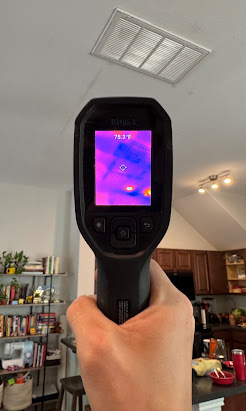
Signs of Hidden Water Damage Behind Walls and Under Floors
Stains, soft spots, musty smells and a rising water bill can all point to a leak you cannot see. Here is how to spot hidden water damage early.
Read More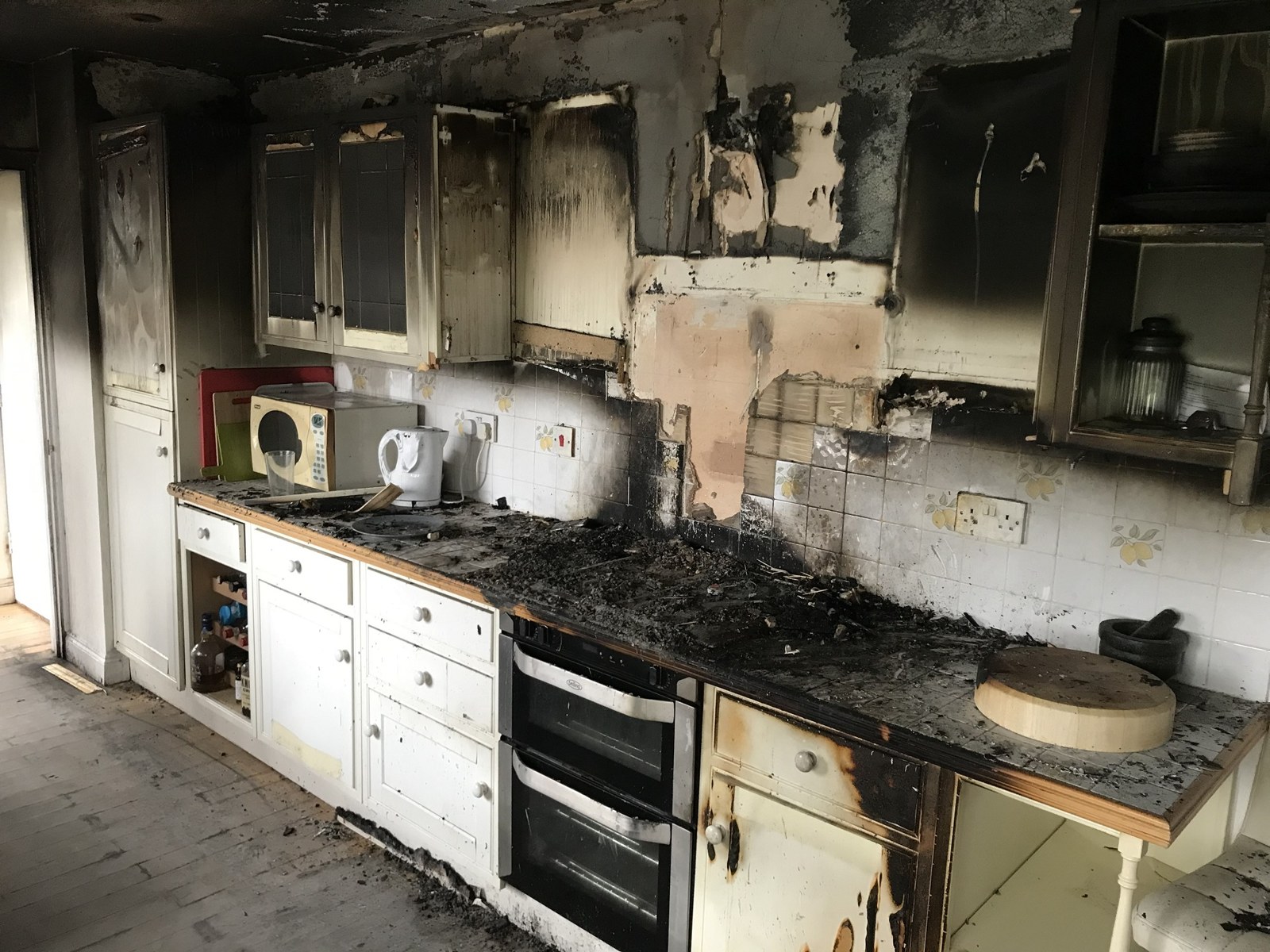
How to Get Rid of Smoke Smell in Your House for Good
Smoke odor lives in residue, not just air. Learn what actually removes it, what only covers it up and when to call in professionals.
Read More