
Homeowner Guide
Signs of Hidden Water Damage Behind Walls and Under Floors
The most expensive water damage is often the kind nobody sees. A pinhole leak in a supply line, a loose drain fitting or a slow drip from an air conditioning drain pan can soak framing, insulation and subfloors for weeks before a single drop shows up in the open.
- IICRC Certified
- Licensed & Insured
- Open 24/7
- Locally Owned
By the time hidden water damage becomes obvious, it has usually spread well beyond the source. The good news is that your home almost always gives warning signs first. Knowing what to look for, and what to do when you notice something, can turn a major repair into a small one.
Why Leaks Hide So Well
Most of the plumbing in a modern Austin home runs inside walls, under slabs, above ceilings and behind cabinets. Water from a leak in those spaces follows gravity and the path of least resistance. It runs down the inside of wall cavities, soaks into insulation, pools on top of ceiling drywall and spreads under flooring.
Drywall, insulation and wood absorb water like a sponge, so a slow leak can be held inside those materials for a long time. The water only becomes visible when the materials are saturated or when it finds an opening, such as a seam in the ceiling or the edge of a floor. That is why the visible sign is often far from the actual leak.
Warning Signs on Walls
Stains and Discoloration
Yellow, brown or gray stains on drywall are one of the most common signs. Stains that grow over time, or that look darker after you use a nearby fixture, point to an active leak.
Bubbling, Peeling or Cracking Paint
When water gets behind paint or wallpaper, the finish can lose its grip on the wall. Bubbles, blisters and peeling paint, especially near the floor or around plumbing fixtures, are worth investigating.
Soft or Warped Drywall
Press gently on the area around a stain. Drywall that feels soft, spongy or crumbly has absorbed water and lost strength. Swelling or warping along the bottom of a wall is another sign.
Baseboards That Pull Away or Swell
Baseboards sit right where water pools inside a wall. Swollen, cracked or separating baseboards, or caulk that has come loose, can mean water is collecting at the bottom of the wall cavity.
Warning Signs on Floors
Cupping or Buckling
Wood and laminate floors react to moisture from below. Boards that curl up at the edges, known as cupping, or that lift and buckle, often mean water is sitting under the floor.
Loose or Cracked Tile
Water under tile can weaken the adhesive and grout. Tiles that sound hollow when tapped, move underfoot or develop cracked grout lines may be sitting on a wet subfloor or slab.
Damp or Discolored Carpet
Carpet that feels damp, looks darker in one area or smells musty along the wall may be wicking water from a hidden leak.
Warning Signs on Ceilings
Ceiling stains usually come from a bathroom above, an attic air conditioning unit, an attic water heater or a roof leak. Watch for rings that spread, paint that bubbles and any sagging. A sagging ceiling may be holding water and can give way, so keep people out from under it.
Other Clues Around the House
Musty Odors
A persistent musty or earthy smell, especially in a closet, cabinet or one corner of a room, is a classic sign of moisture and possible mold growth inside walls or under floors.
A Higher Water Bill
If your water use has not changed but your bill has gone up, a hidden leak may be running constantly.
The Sound of Running Water
Hearing water moving when every faucet and appliance is off can point to a leak inside a wall or under the slab.
Mold Spots
Small spots of mold along baseboards, behind furniture or inside sink cabinets suggest moisture is present. Mold needs water to grow, so visible mold almost always means there is a moisture source to find.
Increased Humidity or Condensation
Rooms that feel damp, windows that fog often or a hygrometer that reads higher in one area than the rest of the house can point to water where it should not be.
How to Check for a Leak at Home
You can do a few simple checks before calling a professional.
Check your water meter. Turn off every faucet, appliance and irrigation system, write down the meter reading, wait an hour or two without using water and check again. If the reading changed, water is moving somewhere.
Look under sinks and behind toilets with a flashlight. Feel the supply lines and the floor of the cabinet for dampness.
Inspect around the water heater, washing machine, dishwasher and refrigerator for drips, stains or corrosion.
Check the attic around the air conditioning unit and drain pan, especially during the summer when condensate is heavy.
Look at ceilings below bathrooms and around attic access doors.
These checks will not find every leak, but they can confirm whether something is wrong.
How Professionals Find Hidden Water
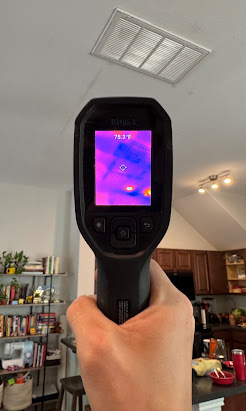
Restoration technicians use tools that can see moisture without tearing open walls. Thermal imaging cameras show temperature differences on a surface, and wet areas often appear cooler than dry ones. Moisture meters then confirm whether a material is wet and how wet it is. Some meters read through the surface without making holes, while pin meters measure deeper into wood and drywall.
Together, these tools map exactly where water has traveled. That map shows which materials can be dried in place and which need to be opened, so only the necessary areas are disturbed. Our article on how moisture detection finds hidden water damage explains these tools in more detail.
Why Acting Early Matters
Hidden water does not stay still. The longer it sits, the more it spreads into framing, subfloors and neighboring rooms. Wet wood can weaken, drywall can lose strength and insulation can stop working. Mold can begin to grow within about 24 to 48 hours in damp conditions, and hidden mold inside a wall can spread quietly for a long time.
Early action also matters for insurance. Most homeowners policies are written for sudden and accidental damage. Damage that developed slowly over a long period may be treated differently, so reporting a leak promptly and documenting it carefully can make a difference. You can read more in our guide to whether homeowners insurance covers water damage in Texas.
Routine Checks That Catch Leaks Early
A few minutes of attention every couple of months can catch hidden leaks before they spread. Look under every sink and around toilets for dampness or stains. Check the floor around the water heater, washing machine and refrigerator. Look at ceilings below bathrooms and around air vents, and glance at the attic around the air conditioning unit during the summer. Replace washing machine hoses that look cracked or bulging, and consider braided supply lines for toilets and faucets. Water leak sensors placed near appliances and under sinks can alert your phone the moment they get wet, which is especially useful when you travel.
What to Do When You Spot a Sign
If you see one of these warning signs, start by stopping any water you can find. Shut off the fixture valve or the main water supply if the source is not obvious. Take photos of the stain, the swelling or the damp area. Then call a plumber to repair the leak and a restoration company to check how far the water has spread and dry what is wet.
Do not paint over stains or cover damaged areas until the materials are confirmed dry. Sealing in moisture can lead to mold and repeat damage.
Let Us Find What You Cannot See
AAA Disaster Recovery uses moisture meters and thermal imaging to trace hidden water in Austin and Central Texas homes, then dries the structure and records the readings for your insurance claim. If you have noticed a stain, a musty smell or a floor that is starting to cup, call us. A real person answers 24/7, and our water damage cleanup and ceiling water damage teams can help you find out what is going on behind the surface.
Keep Reading
More Blogs
What to Do in the First 48 Hours After a House Fire
The first two days after a fire shape the whole recovery. Here is what to do for your safety, your insurance claim and your home.
Read More
Water Damage Categories and Classes Explained
Clean, gray and black water are handled very differently. Learn what water damage categories and classes mean for your home and your claim.
Read More
How to Get Rid of Smoke Smell in Your House for Good
Smoke odor lives in residue, not just air. Learn what actually removes it, what only covers it up and when to call in professionals.
Read More