
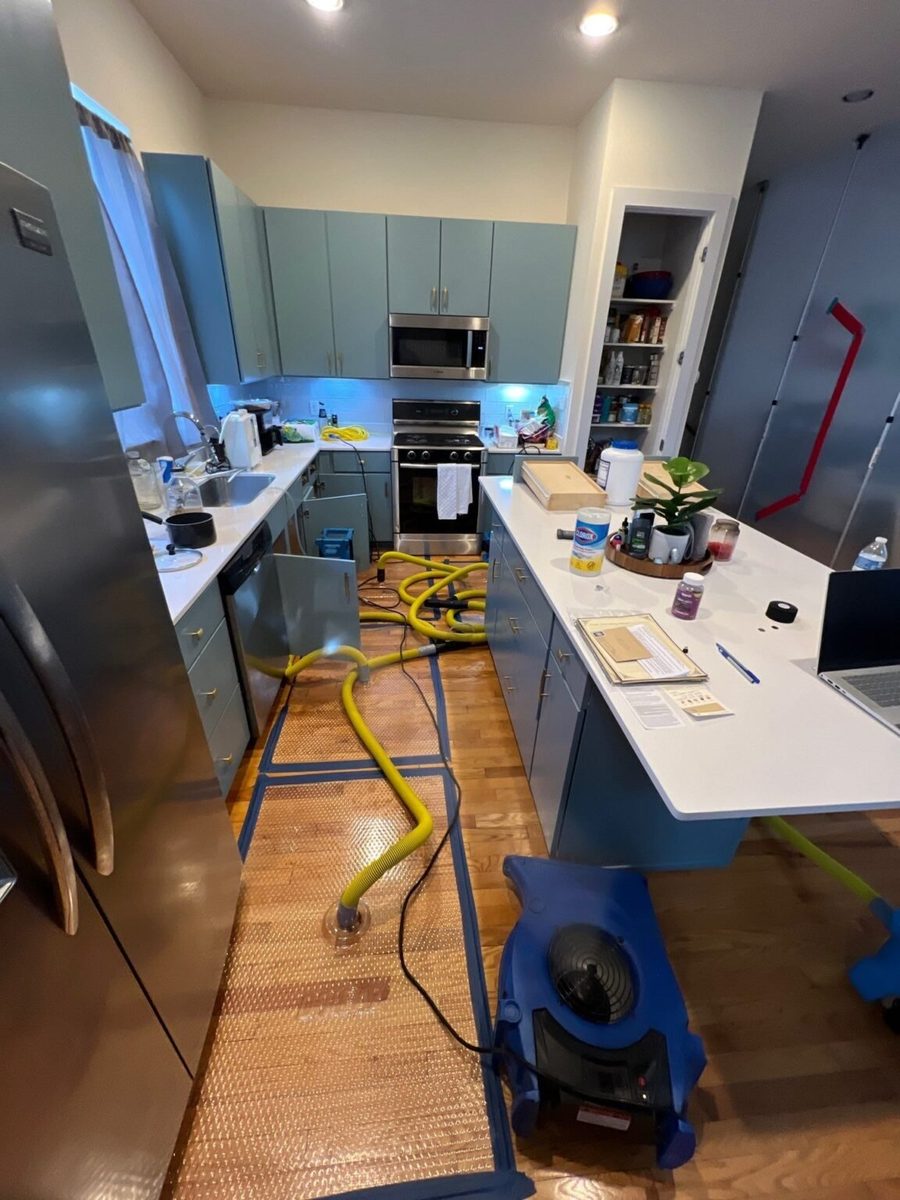
Homeowner Guide
Does Homeowners Insurance Cover Water Damage in Texas?
Water damage is one of the most common reasons homeowners file insurance claims, and it is also one of the most confusing. Two leaks that look almost the same can be treated very differently by an insurance company, depending on where the water came from, how quickly it happened and what your policy says.
- IICRC Certified
- Licensed & Insured
- Open 24/7
- Locally Owned
This guide explains how water damage coverage usually works for Texas homeowners, which situations are often covered, which are often excluded and what you can do to give your claim the best chance. It is general information, not legal or insurance advice. Your policy and your adjuster decide what is covered, so always read your policy and ask your agent when you are unsure.
The Key Question: Sudden or Gradual?
Most homeowners policies are built around one idea. They are meant to cover sudden and accidental damage, not damage that developed slowly over time or came from a lack of maintenance.
A supply line that bursts and floods your kitchen in an afternoon is sudden and accidental. A drip under the sink that slowly rotted the cabinet floor over many months is gradual. Even though both involve water from the same pipe, the first is often covered and the second often is not.
This is why the details of how and when the damage happened matter so much, and why it helps to report water damage as soon as you find it.
Water Damage That Is Often Covered
The following situations are commonly covered under many homeowners policies, subject to your deductible and policy terms.
A burst or broken pipe that releases water suddenly.
A water heater that fails and floods a garage, closet or utility room.
A washing machine hose, dishwasher line or ice maker line that splits.
An overflowing toilet, tub or sink that causes sudden damage.
A pipe that freezes and bursts during a cold snap, provided reasonable steps were taken to keep the home heated.
Water used by firefighters to put out a fire in your home.
Rain that enters through a roof opening created by a covered event such as wind or hail.
Even when the damage to your home is covered, the cost of repairing the source itself, such as the broken pipe or the failed appliance, may not be. Many policies pay to repair the resulting water damage but not the part that failed.
Water Damage That Is Often Excluded
These situations are commonly excluded or limited, though policies vary.
Flooding from surface water, overflowing creeks or rising water outside the home.
Slow, repeated leaks that developed over weeks or months.
Damage caused by poor maintenance, such as a roof that had been leaking for a long time.
Sewer or drain backups, unless you have added a specific endorsement for them.
Mold growth that resulted from a leak that was not addressed, or mold beyond a set limit in your policy.
Groundwater seeping through a foundation.
If any of these apply to you, it does not always mean you have no coverage. Some policies include limited mold coverage, and many insurers offer endorsements for water backup. Ask your agent what your policy includes before you need it.
Flood Insurance Is a Separate Policy
Standard homeowners policies typically do not cover flood damage. Flood coverage usually comes from a separate flood insurance policy, often through the National Flood Insurance Program or a private flood insurer.
This matters a great deal in Central Texas. The region is often called Flash Flood Alley because heavy rain can turn creeks and low water crossings into fast moving water in a short time. Homes outside mapped flood zones can still flood.
There is another important detail. A new flood insurance policy through the National Flood Insurance Program generally has a 30 day waiting period before coverage takes effect, with a few exceptions. That means buying flood insurance when a storm is already in the forecast is usually too late. If you live near a creek, in a low area or anywhere water has collected before, it is worth talking to your agent now.
Why the Source of the Water Matters
Insurance companies look closely at where water came from. Water from inside the home, such as a pipe or appliance, is handled under your homeowners policy. Water that came from outside and flowed along the ground is usually considered flood. Rain that blew in through a storm damaged roof is often treated differently from rain that seeped through an old, worn out roof.
When restoration professionals document a loss, they record the source, the path the water took and the areas it affected. That information helps the adjuster understand what happened.
What to Do Right After You Find Water Damage
The steps you take in the first hours can protect both your home and your claim.
Stop the water if you can do so safely. Shut off the valve at the fixture or the main water supply. Turn off power to areas where water is near outlets or appliances.
Take photos and video of everything before cleanup begins, including the source, the standing water and damaged belongings.
Call your insurance company or agent to report the loss and get a claim number.
Take reasonable steps to prevent more damage. Most policies expect homeowners to protect the property from further loss. Removing water and starting drying quickly is part of that, and waiting can lead to mold and more damage that may not be covered.
Keep damaged items until your adjuster has seen them or approved their disposal, and keep receipts for anything you spend on emergency repairs or temporary housing.
How Documentation Helps Your Claim
Adjusters review a lot of water losses. Clear records help them understand yours. Useful documentation includes photos of the damage before and during cleanup, a description of the source, moisture readings that show which materials were wet and how they dried, and a list of items that could not be saved.
Restoration companies that follow industry standards keep these records as part of the job. At AAA Disaster Recovery, we photograph the damage, keep moisture logs throughout drying and list items that are beyond saving. We work directly with your insurance company, which can take some of the paperwork off your plate during a stressful week.
Will Filing a Claim Raise My Premium?
It can. Insurers consider claims history when setting rates, and frequent claims may affect your premium or renewal. For very small losses that cost less than your deductible, a claim may not make sense. For larger losses, the cost of repairs usually outweighs that concern. Your agent can help you weigh the decision.
Working With Your Adjuster
Your adjuster will usually want to see the damage, review your photos and understand the timeline. Be ready to explain when you discovered the water, what you did to stop it and what steps you took to prevent more damage. Share the restoration company's documentation, including moisture readings and the list of removed materials. If you do not understand a decision, ask the adjuster to explain which part of the policy it is based on. Keep copies of every estimate, invoice and letter in one folder so nothing gets lost.
Common Mistakes to Avoid
Waiting to report the damage. Delays can raise questions about whether the damage was sudden and can allow mold to develop.
Throwing away damaged items before they are documented.
Painting over stains or closing up walls before the structure is confirmed dry.
Assuming flood is covered by your homeowners policy.
Not reading your policy until after a loss. A few minutes now can prevent surprises later.
How AAA Disaster Recovery Can Help
When water damage happens in Austin or anywhere in Central Texas, our team responds 24/7 to remove the water, dry the structure and document the loss for your claim. We are IICRC certified, licensed and insured, locally owned and we do not use subcontractors. Learn more about our water damage cleanup and flood damage restoration services, or call us any time to talk through your situation. A real person will answer.
Keep Reading
More Blogs
What to Do in the First 48 Hours After a House Fire
The first two days after a fire shape the whole recovery. Here is what to do for your safety, your insurance claim and your home.
Read More
Water Damage Categories and Classes Explained
Clean, gray and black water are handled very differently. Learn what water damage categories and classes mean for your home and your claim.
Read More
Signs of Hidden Water Damage Behind Walls and Under Floors
Stains, soft spots, musty smells and a rising water bill can all point to a leak you cannot see. Here is how to spot hidden water damage early.
Read More