
Homeowner Guide
Black Mold vs Regular Mold: What Austin Homeowners Should Know
Few words make homeowners more anxious than "black mold." It shows up in news stories, real estate reports and online forums, often described as something uniquely dangerous. So when a dark spot appears on a bathroom ceiling or behind a washing machine, it is natural to wonder whether you are dealing with the infamous black mold or something more ordinary.
- IICRC Certified
- Licensed & Insured
- Open 24/7
- Locally Owned
The truth is more practical than the headlines. Many molds are black, color alone cannot tell you what kind of mold you have, and the right response to visible mold in your home is largely the same no matter which species it is. This guide explains what black mold is, how it differs from common household molds and what you should actually do when you find mold.
What People Mean by Black Mold
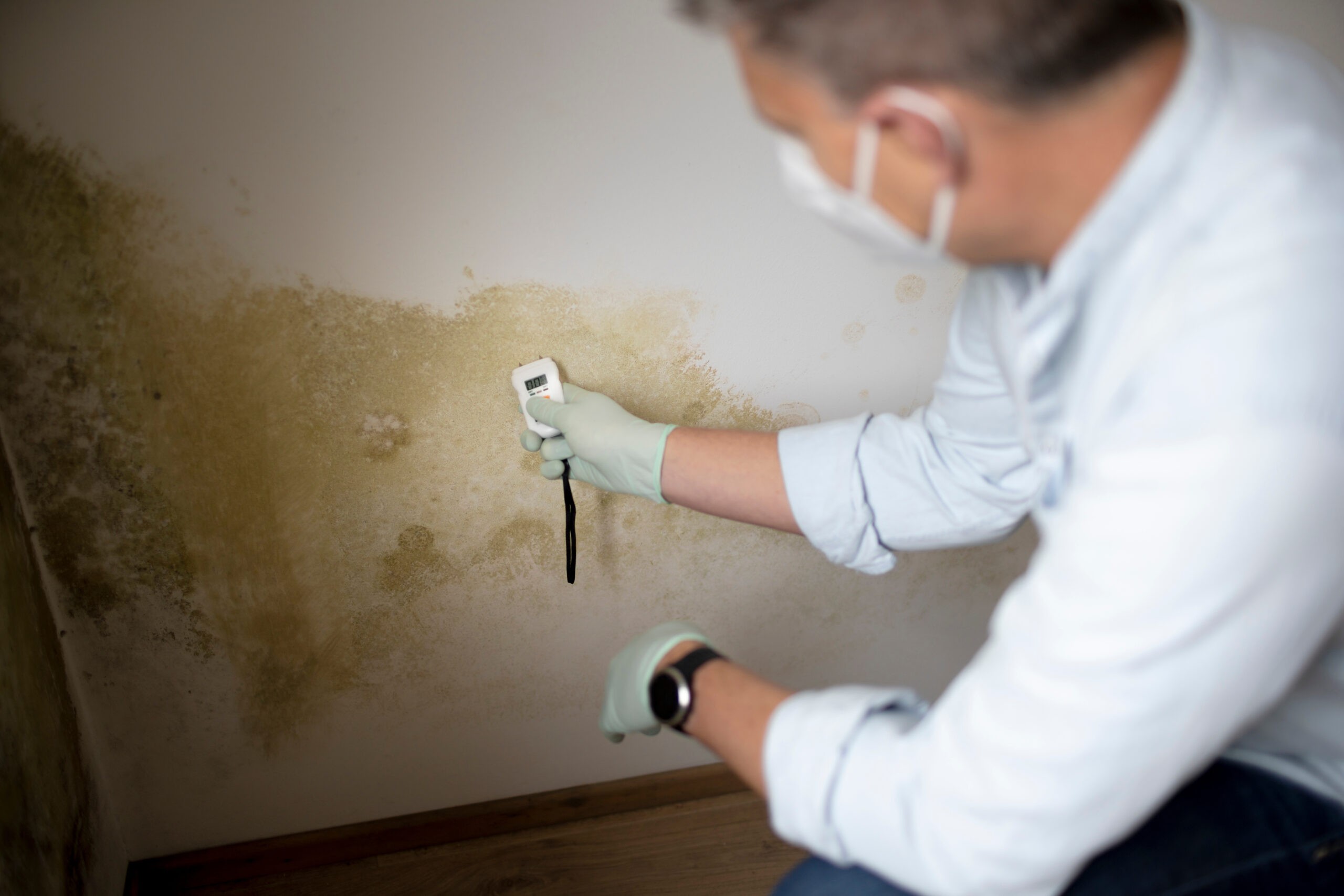
When people say black mold, they usually mean Stachybotrys chartarum, a greenish black mold that grows on materials with a lot of cellulose, such as drywall paper, wood and cardboard, when those materials stay wet for a long time. It tends to need consistent moisture, which is why it is often found after leaks or water damage that went unnoticed or was not dried properly.
Stachybotrys gets attention because some strains can produce substances called mycotoxins. That has given it a reputation as a toxic mold. Health agencies describe mold exposure more broadly: many types of mold can cause symptoms in sensitive people, and any visible mold growth indoors should be cleaned up and the moisture problem fixed.
Common Household Molds
Most mold found in homes is not Stachybotrys. Some of the most common indoor molds include these.
Cladosporium
Often black, green or brown, Cladosporium can grow on fabrics, wood, painted surfaces and around windows and air conditioning vents. It tolerates cooler conditions and is very common indoors.
Aspergillus
A large group of molds that appear in many colors, Aspergillus is often found in household dust, on walls and in damp building materials.
Penicillium
Usually blue or green, Penicillium grows on water damaged materials, carpet, wallpaper and insulation, and it spreads easily.
Alternaria
Dark green or brown with a velvety look, Alternaria often grows in showers, under sinks and around leaks.
Several of these can look black or very dark, especially as colonies age. That is why a dark color on its own does not mean you have Stachybotrys.
Can You Tell Mold Types Apart by Looking?
Not reliably. Color depends on the species, the material it is growing on, its age and the moisture conditions. Texture can vary too. The only way to identify a mold species is with sampling and laboratory analysis.
For most homeowners, though, the species matters less than you might expect. Whether it is Stachybotrys or a common household mold, visible mold growing inside your home should be removed safely, and the moisture that allowed it to grow must be corrected. Identifying the species rarely changes those steps.
Health Effects of Mold
Mold exposure affects people differently. Common reactions include a stuffy nose, sneezing, coughing, wheezing, itchy or watery eyes and skin irritation. People with allergies, asthma, chronic lung conditions or weakened immune systems can have stronger reactions. Children and older adults may also be more sensitive.
If you or someone in your home has symptoms you think may be related to mold, talk to a doctor. The general advice from public health agencies is consistent: do not let mold grow indoors, and fix moisture problems promptly.
Why Mold Grows in Austin Homes
Mold needs three things: moisture, a food source and the right temperature. Our homes provide plenty of food in the form of drywall, wood and dust, and Central Texas temperatures are comfortable for mold much of the year. That leaves moisture as the factor you can control.
Common moisture sources include leaks under sinks and behind appliances, air conditioning condensation and clogged drain lines, roof leaks during storms, bathrooms without good ventilation, humid summer air meeting cool surfaces near vents and windows, and water damage that was not fully dried. Our article on how fast mold grows after water damage explains why the first few days after a leak matter so much.
Should You Test for Mold?
When mold is visible and you know where the moisture is coming from, testing usually does not change what needs to happen: contain the area, remove the mold and fix the moisture. Testing can be useful when you smell mold but cannot find it, when you want to confirm that cleanup was successful or when someone in the home has a specific health concern. Some homeowners choose an independent indoor environmental professional for testing so the results come from a third party.
Texas Rules for Mold Cleanup
Texas regulates mold assessment and mold remediation through the Texas Department of Licensing and Regulation. In most cases, visible mold covering less than 25 contiguous square feet can be cleaned up by people who are not licensed, including homeowners. Larger projects of 25 contiguous square feet or more, when performed for the public, generally must be handled by licensed mold professionals who follow state work practices, including containment and a written plan.
If you hire a company for mold remediation, it is reasonable to ask about its licensing, insurance and training before work begins.
Cleaning Small Areas Yourself
For small areas of mold on hard, nonporous surfaces, such as tile or a sealed countertop, careful cleaning with detergent and water can work. Wear gloves, eye protection and a mask rated for fine particles, keep the area ventilated and dry it completely afterward.
Mold on porous materials such as drywall, insulation and carpet is different. It grows into the material, so surface cleaning often leaves growth behind. Those materials usually need to be removed. Avoid dry brushing or sanding moldy areas, which can spread spores through your home, and avoid mixing cleaning products, especially bleach and ammonia.
When to Call Professionals
Call a professional when the mold covers a large area, when it is growing on porous materials such as drywall or insulation, when it returns after cleaning, when you smell mold but cannot find it, when it followed water damage or a sewage backup, or when someone in the home has health concerns.
Professional remediation contains the work area with plastic barriers and filtered air so spores do not spread, removes moldy porous materials, cleans the remaining surfaces and dries the area. Most important, it addresses the moisture source so the mold does not come back.
Preventing Mold From Coming Back
Removing mold without fixing the moisture almost guarantees it will return. Once the growth is gone, focus on the conditions that allowed it. Repair plumbing leaks promptly, including slow drips under sinks that are easy to ignore. Keep air conditioning drain lines clear, especially during the long Central Texas cooling season. Run bathroom exhaust fans during showers and for a while afterward, and use the kitchen vent when cooking. Aim to keep indoor humidity in a moderate range, and consider an inexpensive hygrometer to check it in rooms that tend to feel damp.
After any leak or flood, make sure wet materials are dried completely, not just until they feel dry. Water hiding inside walls or under flooring is one of the most common starting points for mold. If you are ever unsure, a moisture check can confirm whether a wall or floor has truly dried before you paint, install flooring or close anything up.
The Bottom Line
Black mold is real, but it is one of many molds that can grow in a home, and you cannot identify it by color alone. The response to any visible indoor mold is the same: remove it safely and stop the moisture that feeds it.
AAA Disaster Recovery is licensed, insured and IICRC certified for mold remediation in Austin and Central Texas. Mold removal is a scheduled service, and active water emergencies are handled separately, 24/7. Learn more about our black mold removal and mold remediation services, or call to schedule an assessment.
Keep Reading
More Blogs
What to Do in the First 48 Hours After a House Fire
The first two days after a fire shape the whole recovery. Here is what to do for your safety, your insurance claim and your home.
Read More
Water Damage Categories and Classes Explained
Clean, gray and black water are handled very differently. Learn what water damage categories and classes mean for your home and your claim.
Read More
Signs of Hidden Water Damage Behind Walls and Under Floors
Stains, soft spots, musty smells and a rising water bill can all point to a leak you cannot see. Here is how to spot hidden water damage early.
Read More